DNAメチレーション分析
DNAメチル化を評価するエピジェネティクス研究で使用するキット。DNA精製キット、PCR酵素およびマスターミックス、メチル化感受性制限酵素およびトランスフェクションやレポーターアッセイ用の基本ツール。
Filter By
Shop all Methylation Analysis Products
Showing 5 of 5 Products

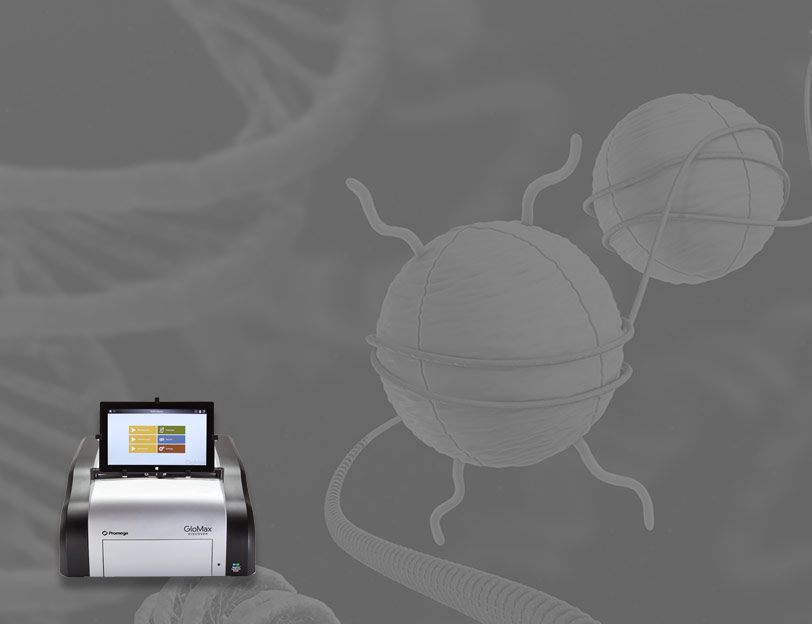
Methylation Analysis Basics
DNA methylation is catalyzed by DNA methyltransferases and associated with epigenetic gene repression. DNA methylation also recruits methyl-CpG-binding proteins, which recruit additional proteins that add silencing modifications to neighboring histones. CpG islands are unmethylated, open regions of DNA with low nucleosome occupancy that promote relaxed chromatin structure that favors active transcription. Coordination between DNA methylation and silencing histone marks leads to chromatin compaction and gene repression.
The methylation status of a DNA sequence can be determined using a variety of techniques, such as restriction enzymes that are sensitive to methylation or the firefly luciferase reporter protein (Fluc). Bisulfite sequencing is another way to assess DNA methylation by converting unmethylated cytosine residues to uracil residues. The target DNA is purified, alkaline- or heat-denatured, treated with sodium bisulfite, cleaned up, treated with alkaline, then cleaned up again to remove salts and other components that can inhibit downstream applications.
After bisulfite conversion and DNA cleanup, the DNA is amplified by whole genome PCR, and the amplified products are analyzed using a technique that distinguishes products derived from unmethylated and methylated DNA. The firefly luciferase reporter protein can also be used to assess DNA methylation at the genome level or at specific DNA sequences.